
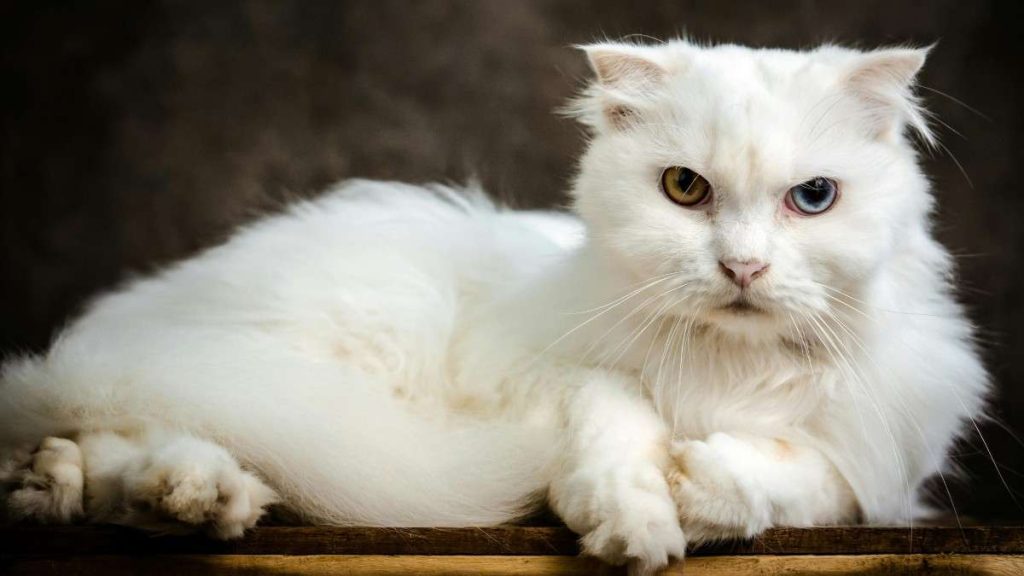

If you’ve ever laid eyes on a Chinchilla cat, you know why people fall in love instantly. These cats are known for their luxuriant, long coats, large round eyes, and that soft, almost silvery sheen that makes them look like tiny royalty. But there’s so much more than just looks these felines have a rich history, a unique personality, and specific care needs that every owner should know. Think of them as the perfect combination of elegance, charm, and gentle companionship.
History and Origins of the Chinchilla Cat
Persian Roots and Evolution
Chinchilla cats are essentially a colour-type of Persian cat, selectively bred since the late 1800s. They share many traits with Persians: the moderate construction, cobby body, and prominent muzzle. Over time, breeders worked to create a more refined look, giving Chinchillas their signature dense, soft undercoat and luxuriant long fur. These cats were designed to highlight beauty and grace, which is why they were embraced by cat fanciers worldwide.
Chinchilla Rodent Influence
Interestingly, the breed takes its name from the Chinchilla rodent, prized for its super soft, thick fur. This inspiration is visible in the cat’s silvery appearance and black-tipped fur, creating that mesmerizing shimmer that sets them apart from other Persians. Essentially, Chinchillas are the “glamour cats” of the feline world.
Physical Traits of Chinchilla Cats
Coat Colors and Texture
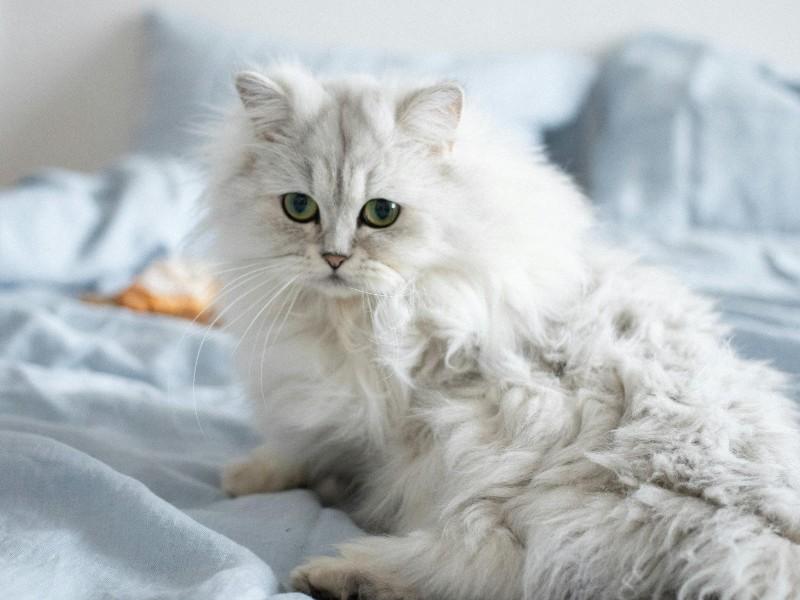
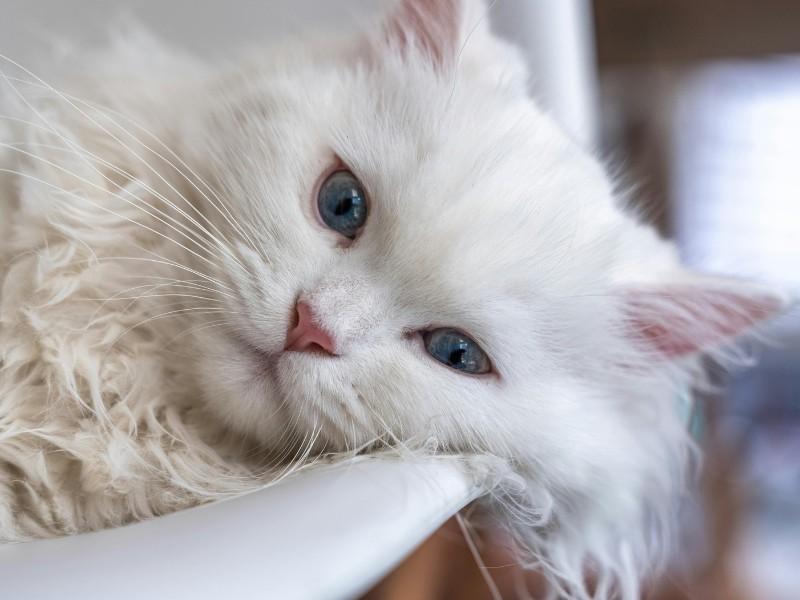
Chinchilla cats usually come in white, silver, grey, or golden shades, often tipped with black or darker tones. Their coat isn’t just fluffy, it’s luxuriant, dense, and includes a soft undercoat. This makes them look almost like walking clouds! Regular grooming ensures their flowing coat stays tangle-free, soft, and shiny.
Eyes, Face, and Head Shape
One of the most striking features is their large, round eyes, often bright green or blue, set against a broad head with small, wide-set ears and a short open face. Their brilliant eyes and expressive features make them hard to resist. The facial structure is delicate but distinctly Persian, giving them that sweet, jewel-like expression.
Body Structure and Build
Chinchillas are cobby, compact cats with a moderate build. Their legs are short but strong, and they have large paws that support their chunky, elegant body. Despite being finely boned, these cats have substantial substance, which gives them a sturdy yet graceful presence.
Personality and Temperament
Behavior Around Family and Children
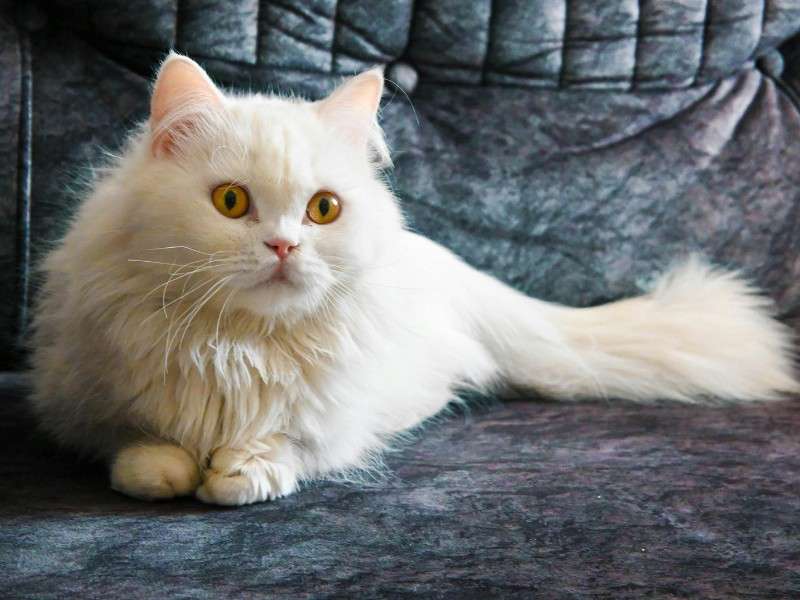
Chinchilla cats are calm, composed, and affectionate. They form strong bonds with a single owner or small household and thrive in a tranquil environment. While they are gentle and sociable, they might not be the best fit for homes with very young children, as they prefer peace and stability over chaos.
Socialization with Other Pets
These cats are friendly and adaptable but may require familiarisation before living with other pets. Proper socialization ensures that they get along with other household pets, making them excellent companions in multi-pet homes.
Activity Levels and Playfulness
Don’t expect a Chinchilla cat to run marathons, they are generally quiet, peaceful, and moderately inactive. That said, they enjoy interactive play, gentle cat games, and food-dispensing toys. Encouraging movement through cat trees, ribbons, and chasing games keeps them engaged without stressing them out.
Nutrition and Feeding Guidelines
As obligate carnivores, Chinchilla cats need a diet rich in protein. Every cat requires 41 essential nutrients, and the proportions depend on age, lifestyle, and health. Kittens require more energy-dense food, while senior cats need a careful nutrient balance. Maintaining the ideal body condition is crucial, and feeding guidelines should account for wet and dry food preferences.
Grooming and Health Care Tips
Daily Grooming Needs
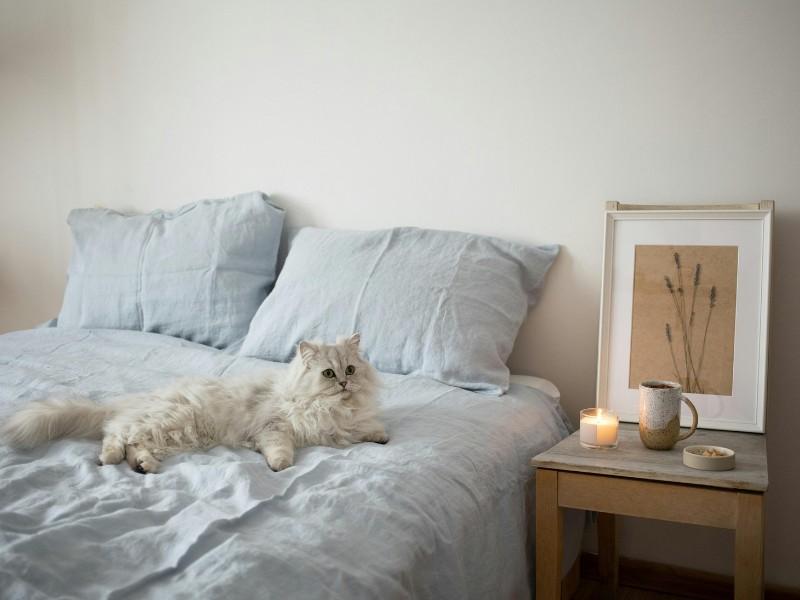
Chinchillas demand daily grooming to prevent mats and tangles. Their long, flowing coat requires attention to detail, especially around the eyes, nose, and tail. Regular cleaning ensures no staining, lumps, or discomfort, keeping them looking their best.
Common Health Issues
Chinchillas can inherit brachycephalic traits, leading to short noses, flattened faces, and respiratory issues. They may also be prone to Polycystic Kidney Disease (PKD), skin infections, eye ulcers, and dental problems due to their facial structure. Regular vet visits, vaccinations, and parasite control are essential for a healthy life.
Outdoor Time and Safety
While Chinchilla cats can enjoy outdoor time, it should be within a secure garden or cat enclosure. They are non-athletic and vulnerable to pet thieves, so unsupervised outdoor access is risky. A cat-proofed garden ensures safety while letting them enjoy some fresh air.
Indoor Enrichment and Play
Given their sedentary nature, indoor enrichment is crucial. Food-dispensing toys, cat trees, and ribbon toys provide mental stimulation. Avoid complex puzzle feeders; keep activities fun, simple, and rewarding. This approach prevents frustration and promotes healthy exercise habits.
Family Life Compatibility
Chinchilla cats are gentle, affectionate, and calm. They thrive in peaceful homes, get along with quiet teenagers, and can adapt well to other pets. Their loyal nature makes them a loving addition for families looking for a serene companion.
Buying and Breeder Tips
Pricing and Rarity
Chinchilla cats are somewhat rare, with prices in the UK ranging from £500 to £1,500 for reputable breeders. Show-quality lineage or exceptional pedigrees can push the price higher.
Choosing a Reputable Breeder
Always buy from ethical breeders adhering to CFA or TICA standards. Check breeder reputation, health guarantees, PKD certificates, and ensure the cats are socialized and well-cared-for.
Final Thoughts
Chinchilla cats are the perfect blend of elegance, serenity, and affectionate companionship. Their luxurious coats, expressive eyes, and gentle temperament make them ideal pets for experienced owners seeking a calm, loving feline friend. While they require dedicated grooming, careful diet management, and health monitoring, the reward is a beautiful, loyal, and charming companion that enriches any household.
FAQs
Q1: How long do Chinchilla cats live?
Most Chinchilla cats live 12–15 years with proper care, diet, and regular vet check-ups.
Q2: Are Chinchilla cats good with children?
Yes, but they prefer quiet homes and may need familiarisation with younger children.
Q3: How often should I groom my Chinchilla cat?
Daily grooming is recommended to maintain their long, flowing coat and prevent mats or tangles.
Q4: Do Chinchilla cats require special diets?
They are obligate carnivores and need a diet with 41 essential nutrients, adjusted for age and activity level.
Q5: How rare are Chinchilla cats?
Chinchilla cats are somewhat rare, especially those with show-quality lineage, and require careful breeding and selection.