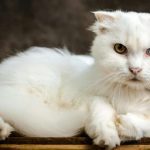
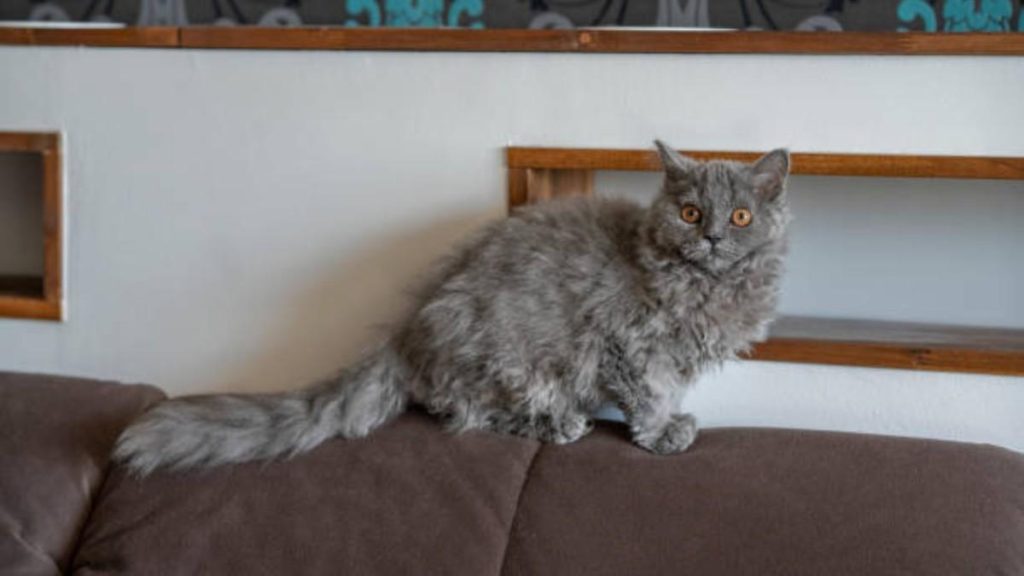

Have you ever seen a cat that looks like a little plush teddy bear with curly hair? That’s exactly what the Selkirk Rex is adorable, quirky, and completely irresistible. Sometimes judges joke that Selkirk Rex cats are the original “bad hair day” kitties because their random ringlets cover them in every which way. Unlike the tight waves of Cornish Rex or the soft ripples of a Devon Rex, Selkirk Rex cats sport well-defined, luxurious curls that feel amazing to touch. With round luminous eyes, a sweet expression, and a stocky, sturdy body, this breed is definitely one-of-a-kind in the cat world.
Breed History
Origins and Discovery
The Selkirk Rex first appeared in Montana in 1986, when a spontaneous mutation produced a kitten with curly whiskers and a perm-like coat. This kitten, later named Miss DePesto, was adopted by Persian breeder Jeri Newman. Breeding her with a black Persian male produced several curly-coated kittens, establishing the foundation for the Selkirk Rex breed.
Development of the Breed
Newman decided to name the new breed after her stepfather, Selkirk, making it the only breed named after a person. By 1992, the Cat Fanciers’ Association (CFA) accepted Selkirk Rex for registration, and the breed achieved championship status by 2000. Over time, breeders ensured genetic diversity using outcrosses with British Shorthairs or Exotic Shorthairs, creating the calm, affectionate, and plush cats we know today.
Physical Traits of Selkirk Rex
Size and Build
Selkirk Rex cats are medium-to-large, solidly built, and muscular. Adult males typically weigh 12–15 pounds, while females are slightly smaller. Their rounded faces with full cheeks, prominent whisker pads, and stocky legs give them a teddy-bear-like appearance that’s hard to resist.
Coat Types and Colors
One of the most unique features of the Selkirk Rex is their curly, plush coat. They come in short and long hair varieties, with colors and patterns ranging from tabby, shaded, tortoiseshell, chinchilla, smoke, calico, bicolor, tricolor, pointed, mink, and sepia. Some cats are born with straight hair, while others have long ringlets that make them look extra fluffy.
Eyes, Ears, and Facial Features
Selkirk Rex cats have round, luminous eyes, medium-sized ears, and a soft, expressive face. The curly whiskers add to their unique charm, while the strong, well-proportioned body makes them look robust yet approachable.
Personality and Temperament
Affection and Social Behavior
Selkirk Rex cats are incredibly affectionate and love human companionship. They enjoy sitting on your lap, snuggling on the couch, or even following you around the house. Their gentle nature makes them kid-friendly and pet-friendly, so they can thrive in family environments.
Playfulness and Intelligence
Although calm, Selkirk Rex cats have a silly and playful side. They are intelligent, curious, and interactive, often enjoying puzzle toys, laser lights, or gentle chasing games. They are not troublemakers but can get bored if left alone for too long, so keeping them mentally stimulated is key.
Care and Grooming
Coat Maintenance
Despite their thick, curly coats, Selkirk Rex cats require minimal grooming. Over-brushing can loosen their curls, so a wide-toothed comb is best. Regular baths with light shampoo help maintain their luxurious fur, and towel-drying or air-drying prevents frizz. Avoid heavy conditioners that flatten their curls.
Daily Care Routine
Daily care includes feeding well-balanced meals, providing fresh water, cleaning the litter box, trimming nails, inspecting ears, and brushing teeth. These small routines help maintain a healthy, happy cat.
Diet and Nutrition
Selkirk Rex cats have medium energy levels but a solid build, so it’s important to avoid overfeeding. Measured meals, 2–3 times a day, prevent obesity and reduce risks of diabetes, arthritis, and hip dysplasia. Free-feeding can lead to overeating and weight gain, so portion control is key.
Common Health Problems
Like many purebred cats, Selkirk Rex can inherit genetic conditions such as polycystic kidney disease (PKD), hypertrophic cardiomyopathy (HCM), and hip dysplasia. Reputable breeders screen for these conditions to preserve the health of the breed. Regular vet visits and preventive care keep your cat healthy for 12–15 years.
Breed Future and Considerations
Selkirk Rex cats are expected to remain popular due to their calm nature, unique appearance, and affectionate personality. Breeders continue to carefully manage genetic diversity, avoiding health issues while producing cats with the signature curly coats.
Final Thoughts
The Selkirk Rex is truly a one-of-a-kind cat. With its curly, plush coat, friendly personality, and playful intelligence, it’s perfect for families, singles, and anyone looking for a cuddly companion. Minimal grooming, moderate activity, and a bit of love make this breed incredibly easy to care for while giving back tons of affection in return. If you’re searching for a cat that combines charm, personality, and an irresistible teddy-bear look, the Selkirk Rex is the one for you!
FAQs
Q1. Does the Selkirk Rex’s coat curl naturally?
Yes! Their coat is naturally curly due to a dominant genetic mutation.
Q2. How much does a Selkirk Rex kitten cost?
A Selkirk Rex kitten may cost $500–$1,500, depending on breeder and lineage.
Q3. Are Selkirk Rex cats good with children and other pets?
Absolutely! They are friendly, affectionate, and social, making them great family companions.
Q4. How often should I groom a Selkirk Rex?
Combing once or twice a week is sufficient, along with occasional baths using light shampoo.
Q5. Do Selkirk Rex cats shed a lot?
They shed moderately, but their curly coat traps loose hairs, so regular combing helps reduce matting.