


Cats are amazing little creatures, but their eating habits can sometimes be unpredictable. One day your feline friend devours their favorite meal, and the next, they suddenly refuse food. As a cat owner, you may wonder’ how long can cats go without eating food?
The truth is, the answer is not as straightforward as it seems. While cats theoretically can survive 1–2 weeks without food if water is provided, the longer they go without eating, the more serious the health risks become. From hepatic lipidosis to dehydration, the dangers can escalate quickly. This guide will discuss everything you need to know, including the critical signs to watch, what starvation does to a cat, and how to help your cat safely through periods of reduced appetite.
Why Cats Stop Eating: Understanding the Causes?
1. Illness and Disease
One of the most common reasons a cat refuses food is illness. Underlying conditions such as chronic kidney disease, diabetes, hyperthyroidism, or pancreatitis can drastically affect a cat’s appetite. Cats suffering from vomiting, diarrhea, fever, or infections may stop eating because their bodies are under stress.
2. Stress and Environmental Changes
Cats are sensitive creatures. A new baby, new pet, or moving house can cause stress, leading to a loss of appetite. Behavioral changes like hiding, aggression, or withdrawal often accompany stress-related inappetence.
3. Dietary Sensitivity and Food Preferences
Sudden changes in diet, like switching food brands or flavors, can trigger gastrointestinal upset or allergies, making your cat avoid food. Even minor factors like inappropriate bowls, dirty dishes, or feeding in a busy area can discourage eating.
4. Dental and Oral Pain
Cats with dental disease, sore mouths, or gum inflammation may eat less or stop eating entirely. Dental issues are often overlooked but are a critical cause of reduced appetite.
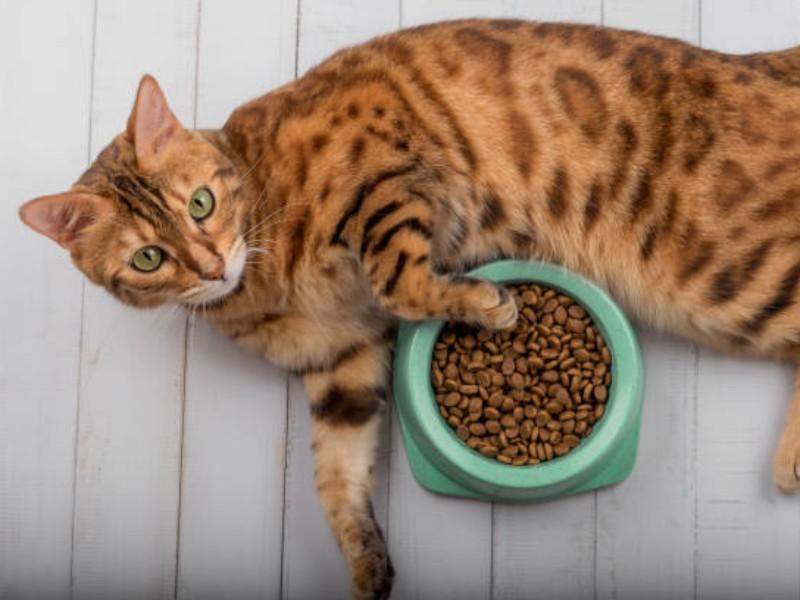
How Long Can Cats Go Without Food?
1. Short-Term Fasting: 24 Hours
Healthy adult cats can technically survive 24 hours without food, but this period should never be ignored. Even a day without eating can be a sign of underlying health issues, especially in kittens, older cats, or unwell individuals.
If your cat hasn’t eaten for 24 hours, it’s best to call your vet for advice. Young kittens, in particular, can deteriorate rapidly if not fed promptly.
2. Long-Term Survival: 1–2 Weeks
In theory, a healthy adult cat may survive 1–2 weeks without food as long as water is available. However, longer fasting is concerning because it can lead to significant weakness, malnutrition, and severe liver conditions like hepatic lipidosis.
During this time, a cat’s body begins breaking down fat and protein to produce energy. If prolonged, this process can overwhelm the liver, causing fatty liver syndrome, which is potentially fatal.
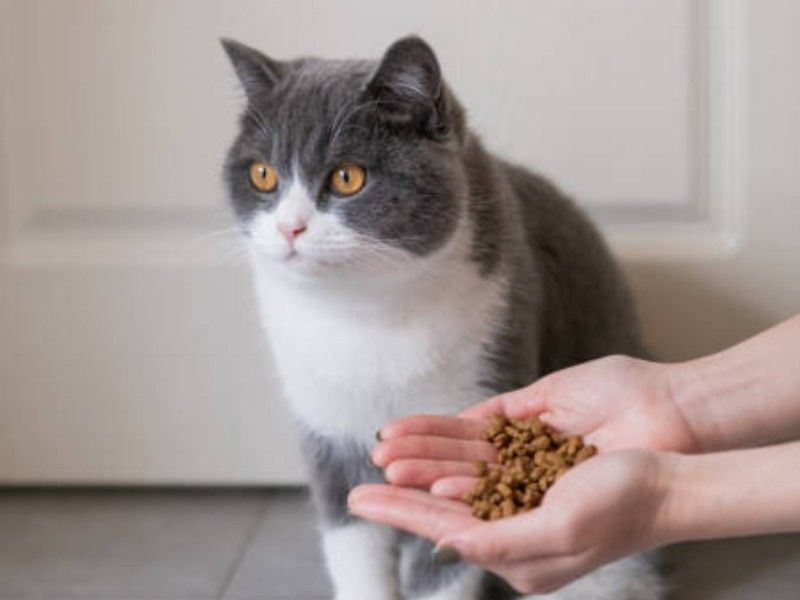
What Happens During Starvation?
1. Effects on the Liver
After just 2–7 days without food, cats are at risk for hepatic lipidosis, a condition where fat accumulates in the liver. This prevents the liver from functioning properly and can quickly become life-threatening if untreated.
2. Risk of Dehydration and Organ Failure
Cats often stop drinking water when they stop eating. Dehydration can occur within 24 hours, putting stress on kidneys and other organs. In severe cases, this can lead to multi-organ dysfunction and long-term health complications.
3. Additional Health Consequences
Prolonged starvation can result in malnutrition, weight loss, weakness, and susceptibility to infections. Even if a cat survives starvation, residual medical issues such as chronic kidney problems may persist.

How Long Can Cats Go Without Water?
1. Survival Window
While cats can survive longer without food, water is far more urgent. Cats generally cannot survive more than 2–3 days without water. Dehydration can set in within 24 hours, depending on age, health, and environmental conditions.
2. Signs of Dehydration
Watch for symptoms like sunken eyes, dry gums, lethargy, and skin tenting. Vomiting, diarrhea, and hot climates accelerate dehydration, making prompt intervention critical.
3. Factors Influencing Water Survival
Older cats, kittens, and those with underlying illnesses like kidney disease or diabetes are more vulnerable. Even overweight cats, while having fat reserves, may still experience rapid dehydration in hot environments.
How Long Can Kittens Go Without Food?
1. Age-Specific Vulnerabilities
Kittens are constantly growing and require frequent feeding. Very young kittens dependent on mother’s milk cannot survive more than a few hours without feeding. Older kittens can manage 12–24 hours without food, but their smaller bodies make them prone to rapid malnourishment.
2. Symptoms of Malnutrition
Watch for weakness, lethargy, vomiting, and diarrhea. If these signs appear, kittens should see a vet immediately to prevent life-threatening consequences.

What Happens If Cats Don’t Eat for a Few Days?
Cats that don’t eat for several days face serious health risks:
- Breakdown of body fat for energy
- Accumulation of fat in the liver
- Hepatic lipidosis (fatty liver syndrome)
- Rapid weight loss, jaundice, and lethargy
- Potentially fatal complications
Early intervention is key. If your cat stops eating, contact your vet promptly to reduce the likelihood of severe health problems.
How to Encourage Your Cat to Eat
1. Feeding Tips
- Offer a variety of textures and flavors (wet food, dry food, recipes like Nulo Freestyle Grain Free Turkey & Chicken).
- Warm wet food to enhance aroma and stimulate appetite.
- Use multiple shallow bowls in quiet, accessible areas.
2. Encourage Eating Naturally
Cats are used to small, frequent meals. Feed 4–5 times per day and allow them to graze. Avoid stress, competition, or chaotic environments during feeding.
3. Veterinary Support
For persistent inappetence, a vet may provide intravenous fluids, antibiotics, pain relief, or other supportive treatments. Avoid giving human or over-the-counter medications, as these can be toxic to cats.
When to Call the Vet
1. Early Warning Signs
Seek veterinary attention if your cat:
- Hasn’t eaten or drunk water for over 24 hours
- Shows vomiting, diarrhea, or lethargy
- Exhibits sudden behavioral changes
- Eats significantly less than usual
2. What to Expect at the Clinic
The veterinarian may perform:
- Blood work and imaging (x-rays, ultrasound)
- Assessment for liver, kidney, or other organ dysfunction
- Treatment plan including hydration, feeding, and monitoring
Early intervention can prevent fatal outcomes and ensure a positive recovery.
Preventing Starvation and Dehydration
- Maintain consistent feeding schedules
- Provide fresh water daily
- Monitor behavioral changes and appetite
- Consult a vet for any signs of illness or distress
- Use pet sitters or catteries if you’re away for extended periods
Final Thoughts
Cats are resilient, but going without food and water even briefly can be dangerous. Healthy adult cats may survive 1–2 weeks without food, but the risks of starvation, dehydration, and liver failure are significant. Kittens, senior cats, and unwell cats require extra vigilance.
Always monitor your cat’s eating habits, provide consistent access to water, and seek veterinary care as soon as you notice a problem. Quick action can save your cat’s life and prevent serious long-term complications.
FAQs
Q1. Can a cat survive 24 hours without food?
Yes, but it’s a warning sign. Monitor them and contact a vet if they show any symptoms of illness.
Q2. How long can cats survive without water?
Cats usually survive 2–3 days without water. Dehydration may occur within 24 hours.
Q3. What are the signs of hepatic lipidosis?
Look for jaundice, rapid weight loss, lethargy, and vomiting. This is a medical emergency.
Q4. How do I encourage a picky cat to eat?
Offer variety in flavors and textures, warm food, shallow bowls, and calm feeding areas. Frequent small meals work best.
Q5. When should I call a vet if my cat refuses food?
If your cat hasn’t eaten or drunk water for over 24 hours, or shows lethargy, vomiting, diarrhea, or weight loss, seek immediate veterinary care.