
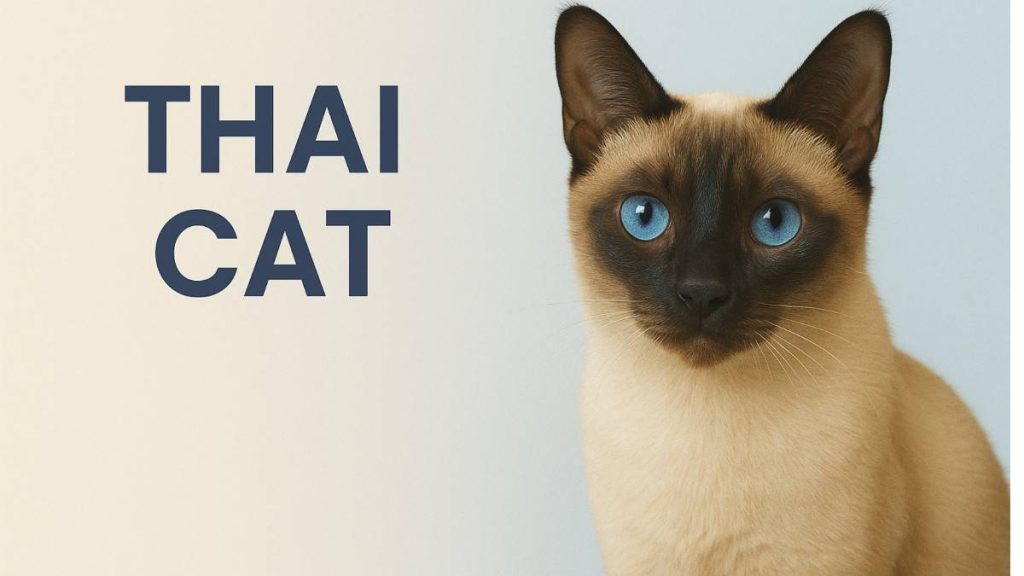

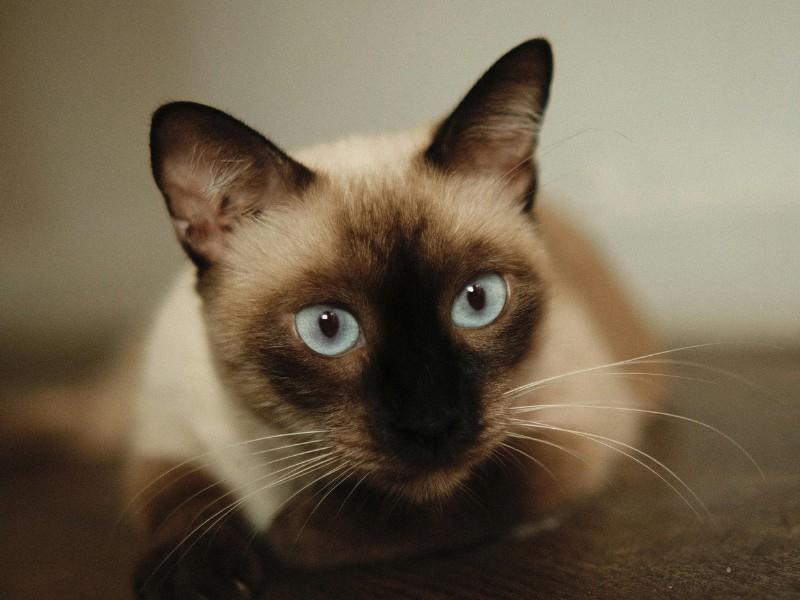
Are you fascinated by the Siamese but wish for a cat with softer, rounded features? Meet the Thai Cat! Often called the “Applehead” because of its distinctive round face, this breed is the forefather of the modern Siamese. With its striking blue eyes, colorpoint coat, and vocal nature, the Thai Cat is more than just a pretty face, it’s a loving, active companion that charms anyone who meets it.
History and Origins of the Thai Cat
Wichien-Maat: The Moon Diamond
The Thai Cat, originally called the Wichien-Maat, meaning “moon diamond” in Thailand, has been adored for centuries. This breed has a rich heritage dating back hundreds of years, often revered in Thai culture and even mentioned in ancient manuscripts like Tamra Maew. Its sacred lineage made it a prized companion in royal households, giving rise to the affectionate and loyal nature we see today.
From Siamese to Thai Cat
Modern Siamese cats have evolved with angular features and svelte bodies. The Thai Cat, however, retains the rounded, robust build reminiscent of its forefathers. It’s essentially the classic Siamese, preserving the heart-shaped face, wide-set ears, and expressive eyes that made this breed legendary. Breeders today often favor the Thai Cat as a more traditional, charming alternative to the contemporary Siamese.
Appearance and Physical Traits
Size, Build and Applehead Feature
Thai Cats are medium-sized, muscular, and robust with a cobby build. Unlike modern Siamese cats, they are not overly long or slender. The apple-shaped head is their signature feature, giving them the affectionate nickname “Applehead.” These cats generally weigh between 3.5–5.5 kg and have a height and body structure that’s perfect for both indoor and outdoor activities in safe environments.
Coat, Colors and Colorpoint Patterns
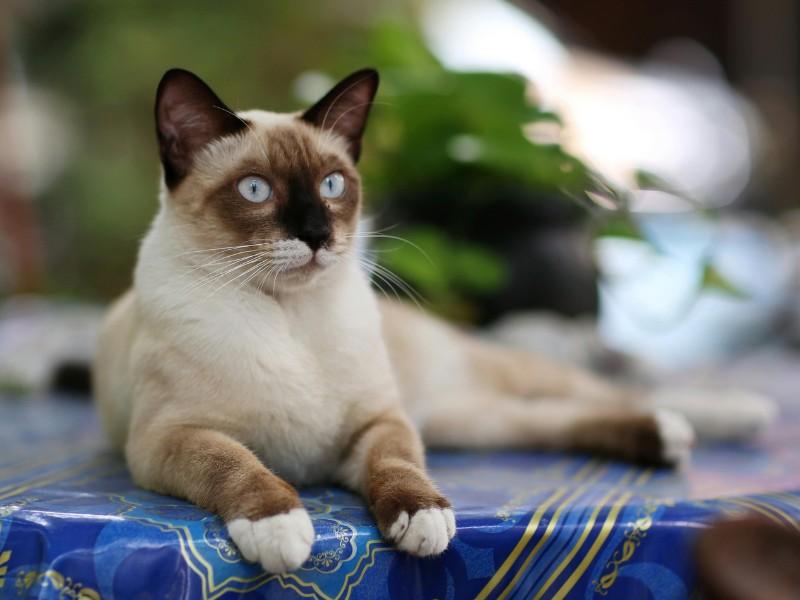
Thai Cats have short, smooth, and silky coats. Their colorpoints can include Lilac, Blue, Seal, or combinations of these, often appearing on their ears, face, paws, and tail. The coat is soft to the touch, reflecting their playful, lively, and elegant personality. The Himalayan gene creates temperature-sensitive albinism, giving them the classic colorpointed look.
Lifespan and Weight
Thai Cats typically live between 12–18 years, making them a long-term companion. Their medium build ensures they are active yet sturdy, requiring a balanced diet to maintain their ideal body condition. Regular vet visits and proper nutrition are essential to help them thrive.
Personality and Temperament
Affection and Loyalty
These cats are highly sociable and human-oriented. They form strong bonds with their families and often show a preference for one primary caretaker. Thai Cats are affectionate, loyal, and love being involved in everything their humans do, from lounging together to supervising daily chores.
Intelligence and Playfulness
Thai Cats are clever, inquisitive, and vocal. They love interactive toys, puzzle feeders, and games like fetch or “kill the string” activities. Their intelligence means they can be trained using positive reinforcement, clicker training, or leash and harness exercises. They thrive in structured, engaging environments.
Health and Common Conditions
Dental, Kidney, and Heart Health
Thai Cats can be prone to gingivitis, kidney disease, and hypertrophic cardiomyopathy (HCM). Respiratory issues or stress-related illnesses may occur if their environment isn’t enriched. Regular vet visits, vaccinations, and careful observation are essential for their well-being.
Maintaining a Healthy Thai Cat
Balanced nutrition, adequate exercise, routine grooming, and monitoring their weight help prevent obesity. Providing enrichment like climbing platforms and interactive toys keeps both mind and body active.
Nutrition and Feeding Tips
Thai Cats are obligate carnivores and need a diet rich in protein. Whether feeding wet, dry, or raw food, ensure it’s age-appropriate and contains all 41 essential nutrients. Overfeeding can lead to obesity, so stick to measured portions and maintain a balanced, healthy diet.
Enrichment, Exercise and Playtime
Indoor vs. Outdoor Activities
Thai Cats are athletic and curious. Supervised outdoor play in a secure cat run is ideal. Indoors, climbing structures, shelves, and tunnels offer excellent exercise opportunities.
Toys, Games and Training
Interactive play with catnip toys, puzzle feeders, and remote-controlled toys keeps them mentally stimulated. Thai Cats enjoy being challenged with tricks, agility exercises, and even high-fives perfect for energetic households.
Grooming and Coat Care
Their coat is low-maintenance but benefits from a weekly brush. Use a grooming glove for wiping and check for parasites or wounds regularly. Routine veterinary care, flea treatments, and vaccinations keep them healthy.
Family Life Compatibility
Thai Cats love attention and thrive in calm, structured households. They are generally excellent with children and other pets, though introducing new cats requires careful supervision. Their social, affectionate, and playful nature makes them a wonderful family companion.
Adoption, Rehoming and Cost Considerations
Thai Cats are relatively rare, making them more expensive than typical breeds. Adoption costs include initial purchase, food, toys, litter, and veterinary care. Consider your time, lifestyle, and household before committing they thrive when owners are attentive and interactive.
Fun Facts About Thai Cats
- Known as the Applehead Siamese due to their round face.
- Historically revered in Thailand for 700+ years.
- Every Thai Cat is colorpointed, thanks to the Himalayan gene.
- Famous owners include President Rutherford B. Hayes.
- They are highly vocal and intelligent, often chatting with their owners.
Final Thoughts
Thai Cat is a stunning, affectionate, and intelligent breed that combines the elegance of the Siamese with a more rounded, approachable appearance. They are loyal, playful, and demanding of attention, making them perfect for experienced cat owners who can devote time to enrichment, training, and companionship. If you’re looking for a loving and engaging feline friend, the Thai Cat is a breed that will bring joy, laughter, and companionship for many years.
FAQs
Q1. How long do Thai Cats typically live?
Thai Cats usually live between 12–18 years, provided they receive proper care, nutrition, and veterinary attention.
Q2. Are Thai Cats good with children and other pets?
Yes! They are social, playful, and affectionate, but introductions with new pets should be gradual. They thrive in calm households with attentive families.
Q3. What kind of diet is best for a Thai Cat?
A high-protein diet with balanced nutrients is ideal. Include wet, dry, or raw food, and avoid overfeeding to prevent obesity.
Q4. How often should I groom my Thai Cat?
Their short coat is low-maintenance. Weekly brushing and occasional checks for parasites or wounds are sufficient.
Q5. Are Thai Cats expensive to adopt?
Yes, due to their rarity and pedigree. Costs include initial purchase, food, toys, litter, and regular veterinary care.