
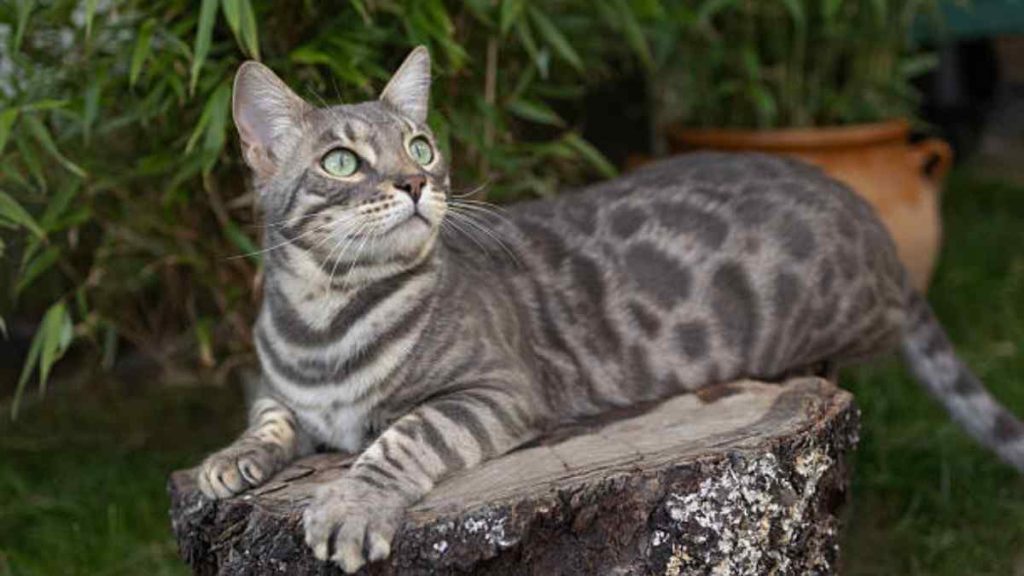

If you’re searching for a cat that perfectly balances affection, intelligence, and charm, the Australian Mist should be at the top of your list. Australian breeders created the Australian Mist as a purpose-bred indoor companion, celebrated for its friendly personality, adaptability, and stunning misted coat. They prioritized temperament, health, and family compatibility over show traits, making the Australian Mist one of the most practical, affectionate, and lovable cats for modern households. Though still relatively rare outside Australia, its popularity is growing thanks to social media exposure and cat fanciers worldwide.
In this detailed guide, you’ll discover everything about the Australian Mist: its history, genetics, appearance, behavior, care, feeding, and health considerations.
Origin and History of the Australian Mist
A Wholly Australian Creation
The Australian Mist holds a unique distinction as the first pedigreed cat developed entirely in Australia. Its creation was intentional, aiming to produce a healthy, friendly, and sociable indoor cat suited to modern family life.
Dr. Truda Straede: The Visionary Breeder
In 1977, Dr. Truda Straede began a breeding program that emphasized temperament, genetic diversity, and adaptability. After nine years of careful selection, the Australian Mist progressed from the Experimental Register to the Full Register, solidifying its status as a pedigree breed.
From Spotted Mist to Australian Mist
Initially called The Spotted Mist, the breed featured only spotted tabby patterns. In 1998, breeders introduced marbled (classic tabby) patterns, leading to a name change to the Australian Mist, reflecting its signature soft, misted coat effect.
Breed Development and Genetic Foundation
The Australian Mist is a thoughtfully engineered breed, created by combining three distinct cat lineages to achieve the perfect balance of temperament, health, and appearance. At the heart of the breed’s genetic foundation is the Burmese, contributing its renowned affectionate nature and delicate, beautiful coat colors. The Abyssinian adds liveliness, alertness, and the iconic ticked coat pattern that gives the Australian Mist its signature subtle shading. Rounding out the mix is the Australian Domestic Shorthair, which provides genetic vigor, resilience, and a manageable litter size, typically producing four healthy kittens per litter. Together, these three breeds form a robust, sociable cat that maintains a consistent and well-rounded personality, ideal for families and individual owners alike.
Global Recognition and Popularity
The Australian Mist has steadily gained recognition in the cat fancy community, achieving official status with organizations such as The International Cat Association (TICA) and the Governing Council of the Cat Fancy (GCCF). Although it is not recognized by the Cat Fanciers’ Association (CFA), its popularity continues to grow, particularly in show rings and among devoted cat enthusiasts around the globe. Despite its rising fame, the Australian Mist remains relatively rare outside Australia, making it a highly sought-after breed for those looking for a unique and charming pedigree cat.
Physical Characteristics
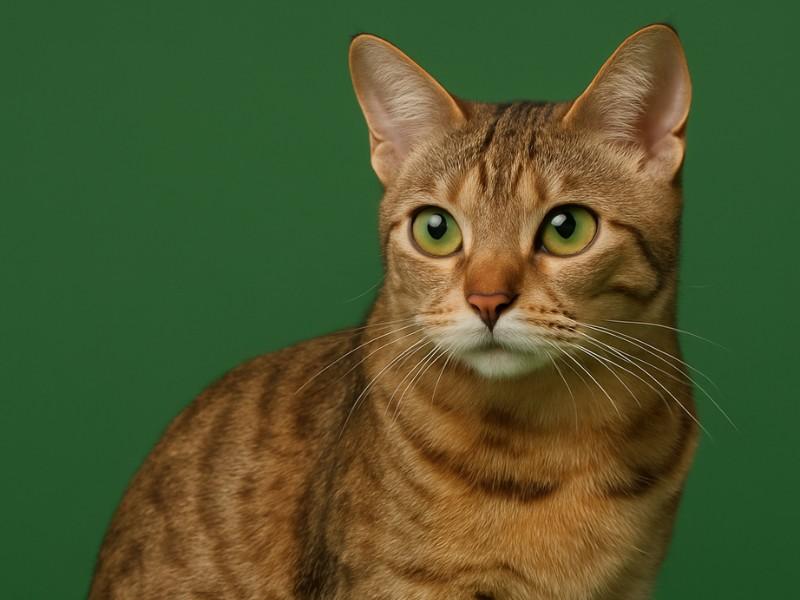
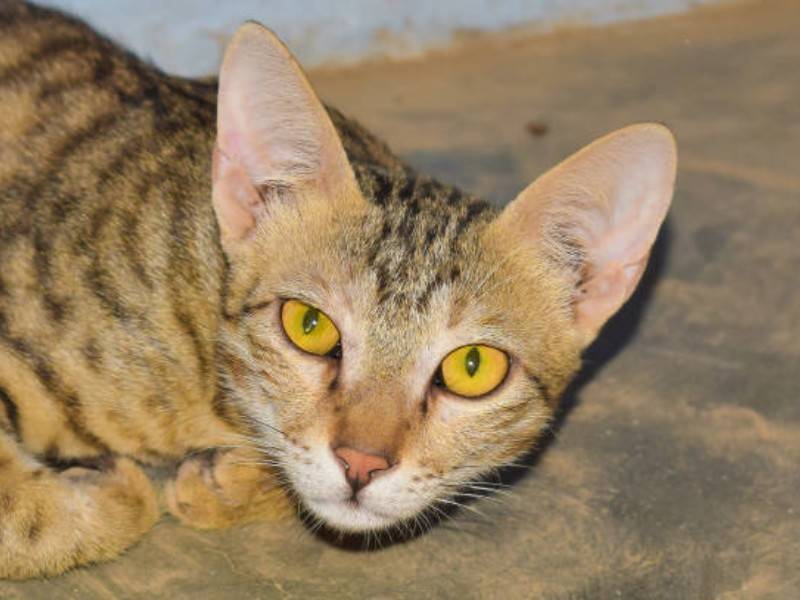
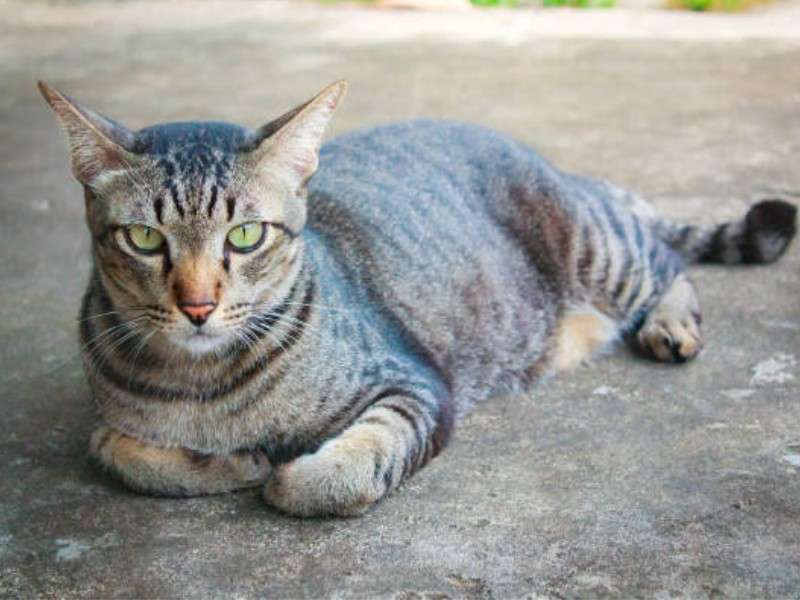
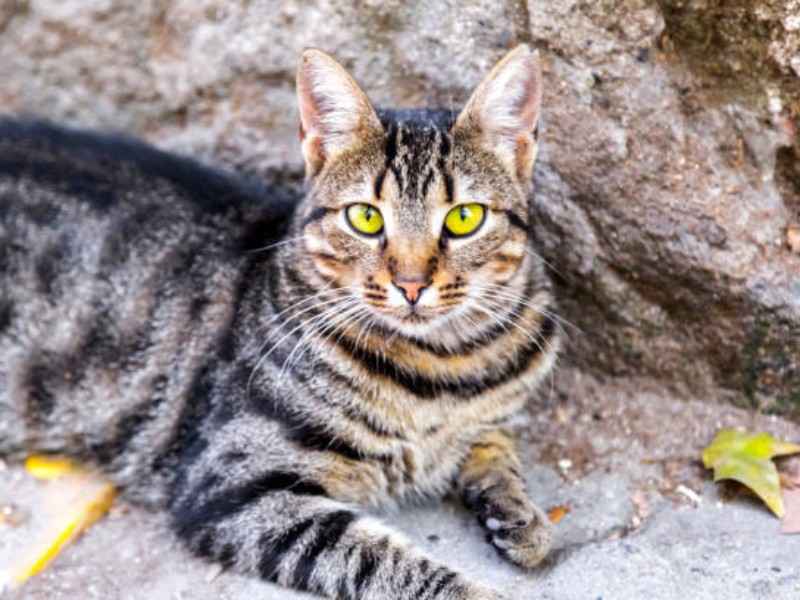
The Australian Mist is celebrated for its balanced and moderate physical appearance. Unlike breeds with exaggerated features, the Australian Mist presents a harmonious profile, with a medium-sized, sleek, and well-muscled body complemented by a broad chest. Its build is surprisingly sturdy, often heavier than it first appears, adding to its overall sense of robustness. The head is broad and slightly rounded, with plump cheeks and a gentle, friendly expression. Its medium-sized, rounded ears sit gracefully on the head, while large almond-shaped eyes, usually green or gold, radiate intelligence and warmth. The long, slightly tapered tail completes the elegant silhouette of this breed.
Coat, Color, and Patterns
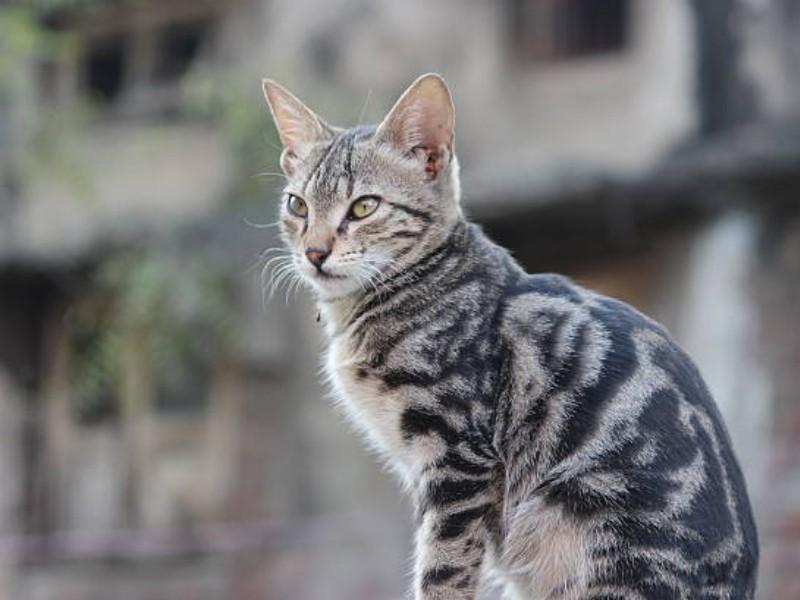
One of the most striking aspects of the Australian Mist is its short, silky coat, which is soft, dense, and remarkably low-maintenance. The breed’s hallmark is the “misted” coat effect, a delicate overlay of ticking or subtle bands of color on each hair, which softens the spotted or marbled tabby patterns into a watercolor-like appearance. This gives the cat a unique and refined look that is visually appealing without being flashy. The recognized colors include brown, blue, lilac, gold, peach, cinnamon, and caramel, with lighter undersides and subtle rufous tones on the nose, cheeks, and ears. Spotted tabby patterns feature randomly arranged spots, while marbled tabbies display flowing horizontal marbling. Both patterns include a spotted belly and the classic forehead “M” marking, enhancing the breed’s distinctive charm.
Size, Weight, and Measurements
Australian Mists are medium-sized cats, with males generally weighing between 4.5 to 6 kilograms and females ranging from 3.5 to 5 kilograms. Standing 24 to 28 centimeters at the shoulder, they possess an agile frame that supports indoor activity and playful exploration, making them ideal companions for a variety of household settings.
Personality and Temperament
Renowned for their calm, affectionate, and friendly nature, Australian Mists excel as companions for families, singles, and retirees. They bond deeply with their human companions without becoming overly clingy, striking a perfect balance between love and independence. Kittens are lively and inquisitive, exploring their surroundings with boundless energy, while adults transition into a calm and docile temperament, content to lounge indoors and enjoy gentle human interaction. These cats relish lap time and cuddles, yet they are fully capable of entertaining themselves, making them particularly suitable for busy households.
Interaction With Children and Pets
Highly social, Australian Mists interact exceptionally well with children and other pets. They are gentle with children who understand and respect boundaries and usually get along seamlessly with other cats and even dogs. Proper introductions help ensure harmony in multi-pet households, though aggression is rarely an issue, reflecting the breed’s naturally even-tempered disposition.
Intelligence, Training, and Enrichment
Australian Mists are remarkably intelligent and adaptable, often responding quickly to training. They can learn to walk on a lead or harness, engage with puzzle feeders, and enjoy interactive toys that stimulate both their mind and body. Moderate energy levels mean they benefit from daily play sessions, climbing opportunities, and interactive enrichment, which keep them both physically active and mentally stimulated while maintaining their calm and relaxed demeanor indoors.
Indoor vs Outdoor Living
Primarily indoor cats, Australian Mists thrive in secure environments where they are safe from predators and accidents. While supervised outdoor access is possible, it should be limited to fully enclosed gardens or catios to prevent theft or injury, as their friendly and attractive appearance can make them vulnerable if left unsupervised.
Feeding and Nutrition
Being obligate carnivores, Australian Mists require a diet rich in high-quality protein, essential vitamins, minerals, and fatty acids. Hydration is equally important, with wet or dry food options carefully balanced to suit the cat’s age, activity level, and health status. Meal planning typically involves two to three servings per day, with portion control essential to prevent obesity. Growing kittens, energetic adults, and senior cats each require distinct nutrient profiles, emphasizing the importance of individualized feeding strategies.
Grooming and Care
The Australian Mist’s short coat is naturally low-maintenance but benefits from weekly brushing to remove loose hairs and reduce shedding. Occasional baths help maintain hygiene, while routine nail trimming, ear cleaning, and dental care through brushing or dental treats ensure overall health. Due to their short coat, they are best suited to moderate climates, though additional warmth may be required in colder regions.
Health and Lifespan
Thanks to careful breeding and genetic diversity, Australian Mists are generally healthy and resilient. They can be susceptible to conditions such as kidney disease, dental issues including gingivitis, hypertrophic cardiomyopathy (HCM), and progressive retinal atrophy (PRA). Preventive care, including regular veterinary visits, vaccinations, parasite control, and dental hygiene, is essential. With proper care, these cats typically enjoy a lifespan of 12 to 16 years.
Family Suitability
Australian Mists are ideal for households where someone is home most of the time and children are old enough to respect boundaries. Their affectionate, interactive nature makes them perfect companions for families seeking a sociable, loving, and adaptable indoor cat.
Finding an Australian Mist Cat
While still rare outside Australia, Australian Mists can be obtained through reputable breeders who prioritize ethical breeding and health screening. Adoption is occasionally possible via specialized rescue organizations, offering a chance to welcome this unique and delightful breed into your home.
Final Thoughts
The Australian Mist is a thoughtfully designed cat breed combining beauty, temperament, and health. Calm yet playful, affectionate yet independent, it is a perfect family companion that fits seamlessly into modern homes. With proper care, nutrition, and attention, this breed offers years of companionship, joy, and indoor adventure.
FAQs
Q1. Are Australian Mist cats suitable for first-time owners?
Yes. Their calm nature, easy grooming, and adaptability make them ideal for beginners.
Q2. Do Australian Mists require outdoor access?
No, they thrive indoors but enjoy safe, supervised outdoor spaces like catios.
Q3. How much grooming does an Australian Mist need?
Minimal weekly brushing is sufficient, with occasional baths if needed.
Q4. Are they good with children and other pets?
Yes, they are gentle with children and get along well with other cats and dogs.
Q5. Why are Australian Mist cats rare outside Australia?
Limited breeding programs and slow international distribution make them uncommon globally.