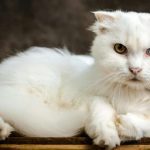
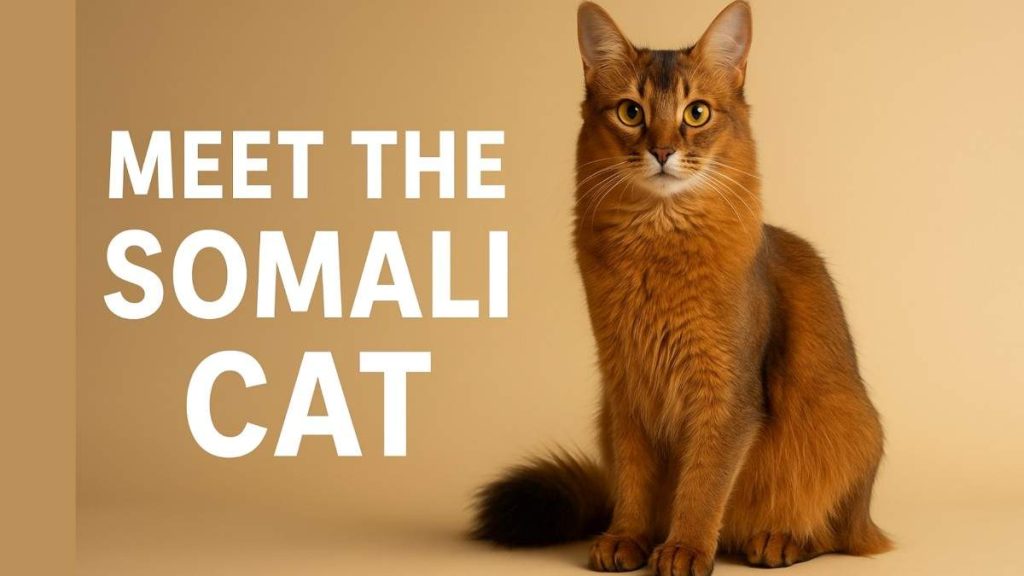

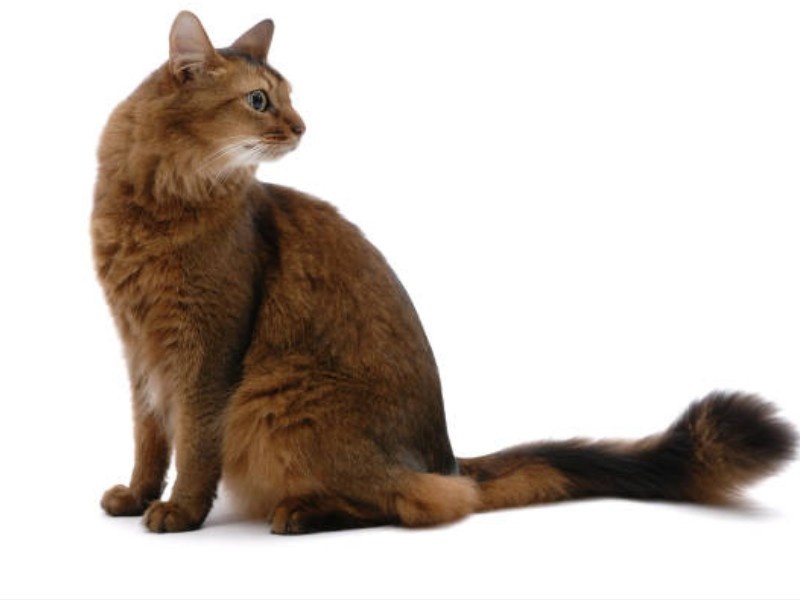
If you’ve ever spotted a cat with a bushy plumed tail, striking green or gold eyes, and an incredibly playful personality, you might have met a Somali cat. Often described as the “Fox of the Cat World,” Somali cats combine the best of both worlds: the elegance of the Abyssinian and the charm of a long-haired companion. Known for their soft ticked coats, mischievous antics, and highly interactive personalities, Somali cats make loyal and captivating pets for families, singles, and experienced cat owners alike.
Origins and History of the Somali Cat
Early Development and Abyssinian Roots
Somali cats owe their origins to the Abyssinian breed. In the mid-20th century, recessive genes in long-haired Abyssinians led to the birth of kittens with longer, fluffier coats essentially giving rise to the Somali. These long-haired versions were initially surprises in litters but soon caught the attention of breeders and cat fanciers worldwide.
Raby Chuffa of Selene and Key Breeders
One notable Somali cat, Raby Chuffa of Selene, played a crucial role in the breed’s recognition. Breeders in Great Britain, Australia, and the U.S. exported kittens internationally, creating a foundation for modern Somali cats. The Somali Breed Council and organizations like the CFA worked tirelessly to grant official recognition, making the Somali a celebrated long-haired breed worldwide.
Physical Characteristics of Somali Cats
Size, Weight, and Lifespan
Somalis are medium-sized cats, typically weighing up to 12 pounds and reaching a length of about 26 inches. They have a medium-long torso, well-developed musculature, and a graceful, slightly arched back. Their lifespan ranges from 11–16 years, making them both sturdy and long-lived companions.
Coat, Color, and Patterns
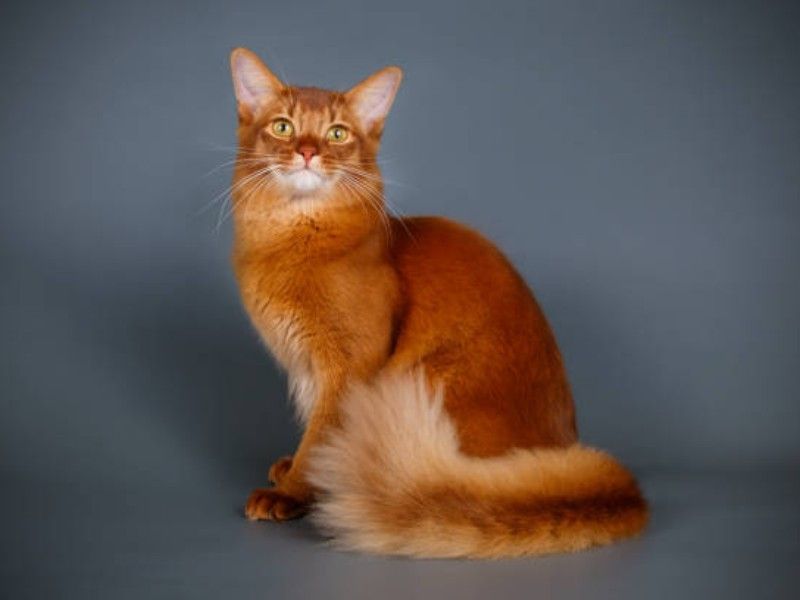
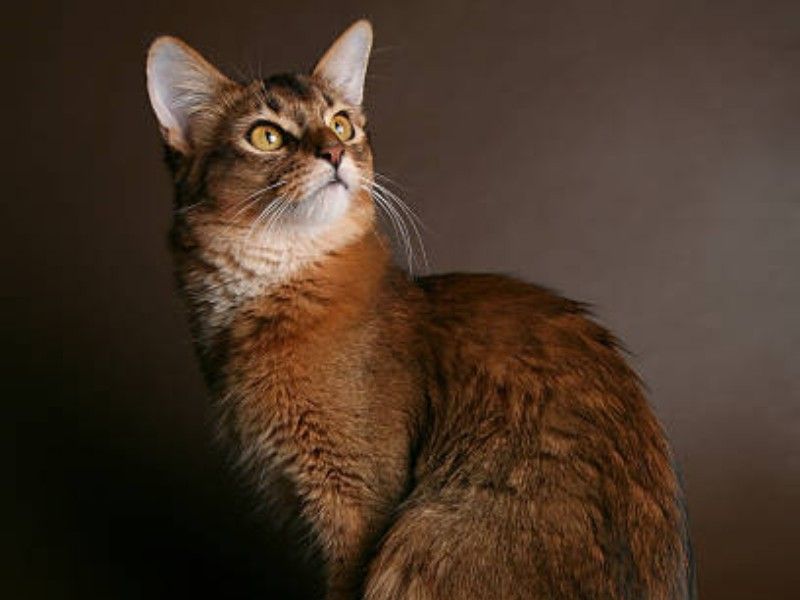
The Somali cat’s soft, silky coat is a hallmark of the breed. Featuring a ticked pattern with shades of Ruddy, Red, Blue, Fawn, and Sorrel, these cats also show variations like chocolate, cream, lilac, tortie, and silver. Their undercoat is lighter than the top, giving them that shaded, fox-like appearance. Regular brushing and coat care ensure their medium-long hair remains soft and lustrous.
Eyes, Ears, and Facial Features
Somali cats have large, expressive almond-shaped eyes in shades of green, gold, or amber, accented with darker pigmentation that highlights their captivating gaze. Their wedge-shaped heads, rounded features, and large alert ears with tufts inside give them a regal yet approachable look.
Personality and Behavior Traits
Intelligence and Playfulness
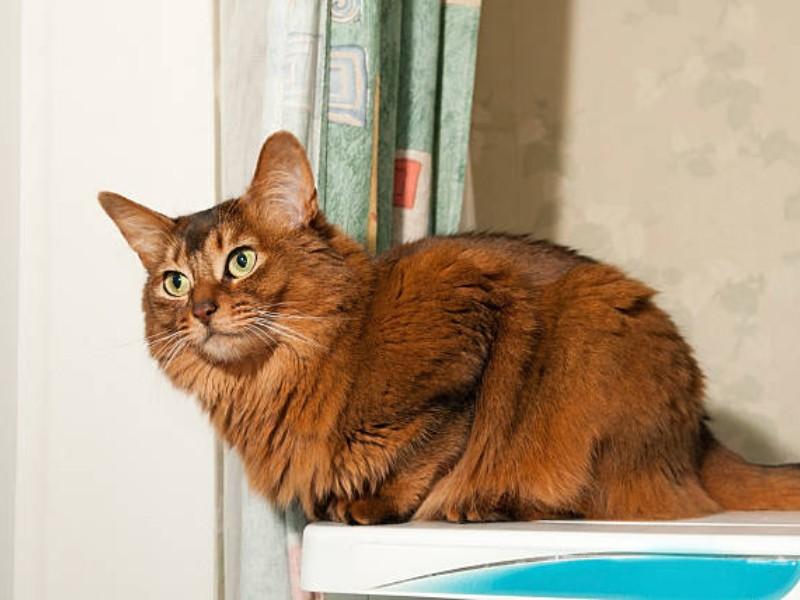
Somalis are highly intelligent and thrive on mental stimulation. They love interactive play, fetch, and climbing, and are quick learners, making clicker training an enjoyable experience. If left unstimulated, they may engage in mischievous behaviors, like opening drawers or faucets, showing just how curious and problem-solving they can be.
Sociability and Family Compatibility
Affectionate yet independent, Somali cats bond strongly with their humans. They are excellent with families, though young children or noisy households may sometimes be overwhelming. Somali cats enjoy attention but also appreciate moments of calm and privacy.
Health and Common Issues
Genetic Concerns and Eye Health
While generally robust, Somalis are prone to certain hereditary conditions, including pyruvate kinase deficiency and progressive retinal atrophy, which can affect red blood cells and vision. Routine veterinary care and genetic testing are essential for healthy breeding and ownership.
Dental Care and Nutrition
Somali cats can develop periodontal disease, so regular brushing and dental checkups are crucial. As obligate carnivores, they require a protein-rich diet with essential 41 nutrients, whether in wet or dry food, to maintain optimal health and weight.
Grooming and Maintenance Tips
Coat Care and Brushing
Thanks to their soft coats, weekly grooming is sufficient, although Somalis may enjoy daily brushing. This helps prevent matting, reduces shedding, and allows bonding time with your pet.
Indoor vs Outdoor Adaptations
Somali cats enjoy safe outdoor spaces, such as cat trees, climbing platforms, and enclosed runs, while indoor environments must be enriching to satisfy their high energy levels.
Training, Enrichment, and Play
Interactive Toys and Mental Stimulation
Toys that mimic hunting behaviors, dissecting motions, or chasing stimulate the Somali’s curiosity. Treat-dispensing toys and interactive games are great for keeping them engaged.
Clicker Training and Obedience
Somalis respond well to clicker training, and can even learn to use a human toilet, demonstrating their trainability and problem-solving skills. Regular engagement keeps them mentally sharp and prevents boredom-related mischief.
Finding and Adopting a Somali Cat
Reputable Breeders and Shelters
Somali cats are rare and often sought after. Look for reputable breeders registered with organizations like GCCF or TICA, or explore adoption through shelters and Petfinder, keeping in mind that non-purebred moggies may also resemble Somalis.
Price and Rarity Considerations
In the UK, Somali cats typically range from £800–£1,500, while in India, prices may vary between ₹60,000–₹120,000. Their rarity and show-quality coats contribute to their premium cost.
Similar Breeds and Comparisons
Abyssinian, American Shorthair, Bengal, Siamese
Somalis share ancestry with the Abyssinian, but long-haired Somali mixes often resemble the elegance of Oriental Longhair, Turkish Angora, or Egyptian Mau. Comparing personalities and grooming needs helps prospective owners choose the best fit.
Final Thoughts
Somali cats are the perfect blend of beauty, intelligence, and spirited personality. Their soft ticked coats, expressive eyes, and adventurous behavior make them captivating companions. Whether you’re drawn to their playfulness, loyalty, or curiosity, Somali cats are truly a breed that adds joy and energy to any home.
FAQs
Q1. Are Somali cats good for families?
Yes! Somali cats are affectionate and playful, making them ideal for families, though supervision may be needed with very young children.
Q2. How often should I groom a Somali cat?
Weekly grooming is usually sufficient, but daily brushing keeps their silky coats in peak condition.
Q3. What health issues are common in Somali cats?
They may face pyruvate kinase deficiency, progressive retinal atrophy, and dental problems like gingivitis. Regular vet care helps prevent complications.
Q4. How active are Somali cats?
Extremely active! They need plenty of interactive play, climbing, and mental stimulation to stay happy and healthy.
Q5. Can Somali cats adapt to indoor life?
Absolutely. While they enjoy outdoor exploration, enriched indoor environments with toys and climbing spaces work perfectly.