
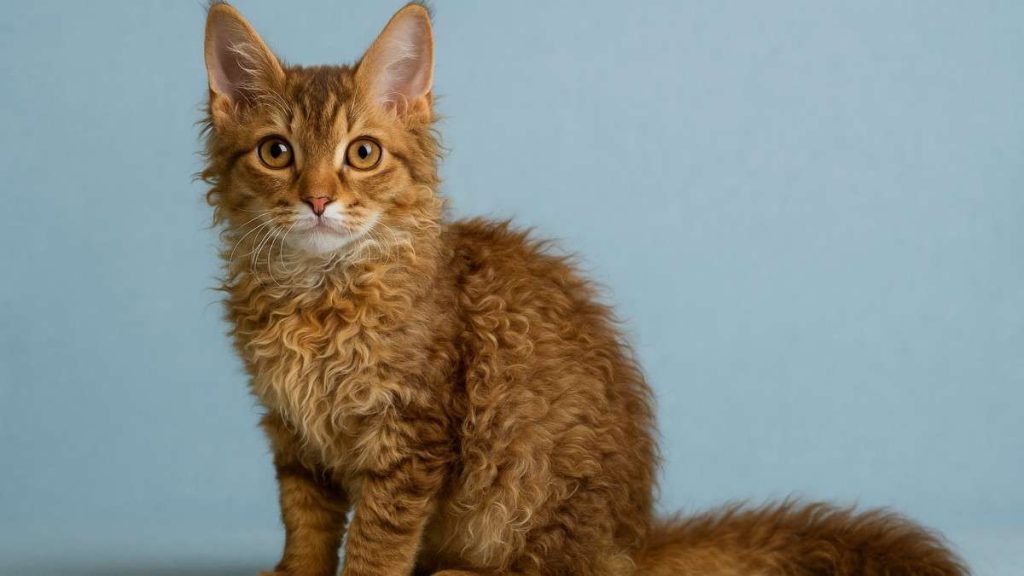

Ever seen a cat with a curly, springy coat that looks like it was made for a magazine photoshoot? That’s a LaPerm for you! These cats aren’t just stunning they’re affectionate, playful, and smart, making them perfect companions for families, singles, or even seniors who want a lively friend. If you’ve ever wondered what makes LaPerms so unique, let’s take a deep dive into their history, personality, and all the care tips you’ll need to keep one happy and healthy.
History and Origins
Early Beginnings on Oregon Farms
The LaPerm’s journey started in the early 1980s in Oregon, on a farm where an unusual litter of kittens was born. One kitten, later named Curly, was hairless at birth but developed a soft, wavy coat within weeks. Her unique curls and gentle personality caught the attention of the farm owners, Linda and Richard Koehl, who saw potential for something extraordinary.
Genetic Mutation and Unique Coat
What makes the LaPerm truly remarkable is that its curly coat comes from a natural genetic mutation. Unlike other breeds with undercoats, LaPerms have a lighter, springier coat that doesn’t shed excessively. The curls can range from loose waves to tight corkscrews, giving each cat a unique personality in its appearance. This mutation also allowed for a wide array of colors and patterns, from solid shades to calico, tortoiseshell, tabby, or even bi-color points reminiscent of Siamese cats.
Recognition and Breed Development
By the early 1990s, Linda Koehl began showcasing her curly cats at CFA (Cat Fanciers’ Association) shows. The breed quickly gained attention for its elegance and charm. In 1997, the LaPerm Society of America was formed, and today, the breed is recognized worldwide by CFA, the International Cat Association, and other major organizations.
Physical Characteristics
Size, Body Type, and Build
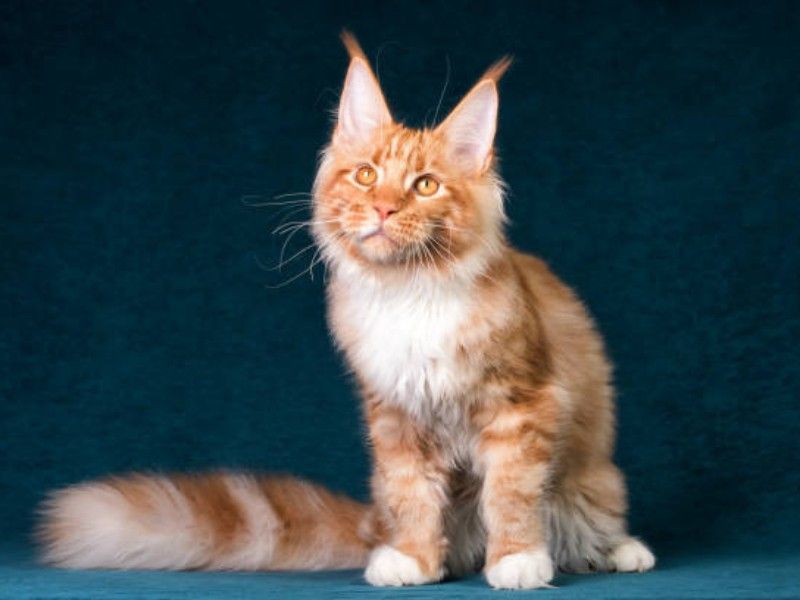
LaPerms are medium-sized cats, typically weighing between 2.2–3.6 kg (5–8 lbs) for smaller individuals, and 6–10 lbs for adults. They are lean, athletic, and muscular without looking bulky. Their wedge-shaped, slightly rounded heads complement a graceful, agile body, making them excellent jumpers and playful explorers.
Coat Features: Curl, Texture, and Patterns
The coat is the LaPerm’s star feature. Short-haired LaPerms have loose, wavy curls, while long-haired ones boast tighter ringlets, neck ruffs, and plumed tails. Unlike Persian or Maine Coon cats, LaPerm coats are light, soft, and springy. Whether solid, tabby, calico, tortoiseshell, or bi-color, every LaPerm is unique, and their curly hair gives them a playful, whimsical look.
Eyes, Ears, and Facial Expression
Their almond-shaped eyes are expressive, ranging in color from amber to green, blue, or copper. Large, well-set ears add a curious, alert expression. LaPerms’ gentle facial contours, paired with soft whisker pads, give them a friendly, approachable look that instantly attracts attention.
Tail and Neck Ruffs
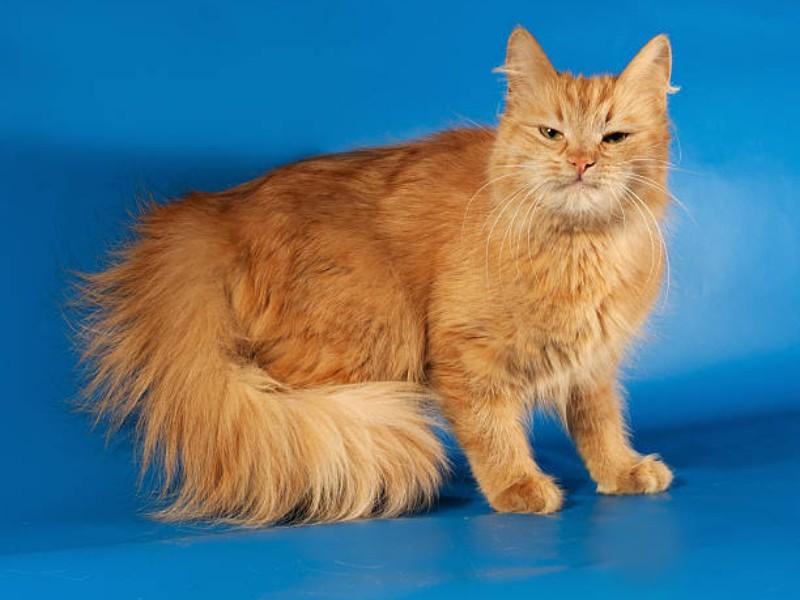
Long-haired LaPerms often have plumed tails and ruffs around the neck, giving them a regal appearance. Short-haired LaPerms have bottle-brush tails with a slightly firmer texture. These features not only enhance their appearance but also indicate health and vitality.
Personality and Temperament
Affection, Bonding, and Human Interaction
LaPerms are incredibly affectionate and bond deeply with their humans. They love sitting on laps, following owners around, and cuddling on the couch. Their gentle purrs and soft nudges make them ideal companions for people who want a loving, interactive cat.
Playfulness, Curiosity, and Intelligence
Highly intelligent and curious, LaPerms thrive on mental stimulation. They love interactive play, climbing, and even learning tricks with clicker training. They are active without being chaotic, striking a perfect balance between playfulness and relaxation.
Compatibility with Children and Pets
These cats are generally good with children and other pets, making them family-friendly. Their playful yet gentle nature ensures they get along with dogs, other cats, and even smaller animals.
Grooming and Care
Brushing, Shedding, and Bathing
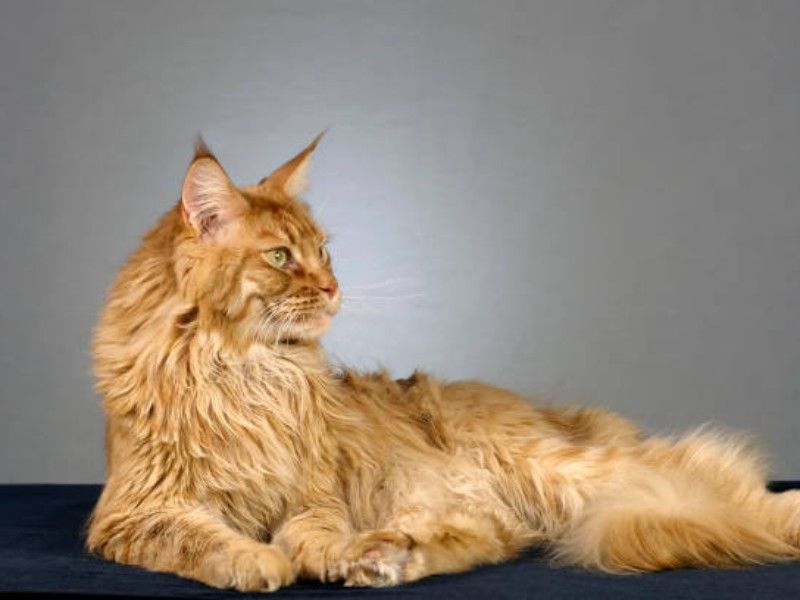
Despite their curly coat, LaPerms require moderate grooming. Short-haired cats need brushing a few times a week, while long-haired LaPerms benefit from more frequent attention. Occasional bathing or misting helps maintain the coat’s curls. Their minimal undercoat reduces shedding, which is great for keeping your home clean.
Dental Hygiene and Ear Care
Dental care is essential. Brush your cat’s teeth regularly and check gums for signs of disease. Ears should be cleaned with a soft cloth to remove debris and checked for infection. Regular care prevents health problems and ensures your cat stays comfortable.
Seasonal and Long-Hair Care Tips
In summer, protect exposed areas from sunburn, especially on lighter-colored cats. In winter, ensure long-haired LaPerms have warm, dry spots to curl up. Keeping their fur in good condition reduces mats and tangles.
Nutrition and Feeding
Ideal Diet for LaPerm Cats
LaPerms are obligate carnivores. A high-protein, moderate-fat, low-carb diet is ideal. Include essential nutrients to support energy levels, curly coat maintenance, and overall health.
Feeding Schedules and Treat Guidelines
Adult LaPerms do well with two meals per day; kittens need smaller, more frequent portions. Treats are fine occasionally but should not exceed daily caloric needs. Avoid overfeeding to prevent obesity and maintain a healthy weight.
Exercise and Enrichment
Indoor vs Outdoor Activities
LaPerms enjoy both indoor and secure outdoor spaces. Safe cat runs, climbing shelves, and ramps allow them to explore and exercise while preventing wandering or theft risks.
Interactive Toys and Mental Stimulation
Interactive toys such as crinkle balls, catnip mice, and ribbon wands engage their hunting instincts. Puzzle feeders and “things on strings” keep them mentally sharp and prevent boredom.
Health and Lifespan
Common Health Problems and Prevention
Generally healthy, LaPerms can still face diabetes, hyperthyroidism, kidney issues, or dental disease. Routine veterinary care, preventive check-ups, and a balanced diet minimize risks.
Tips for Aging LaPerm Cats
As LaPerms age (12–15 years on average), monitor weight, mobility, and coat condition. Senior cats may need adjusted diets, supplements, and gentle exercise.
Adoption and Costs
Finding Reputable Breeders or Shelters
LaPerms are rare. Look for reputable breeders or certified associations such as the CFA or International Cat Association. Adoption from shelters is an option, though less common.
Price Expectations and Ongoing Expenses
Purebred LaPerms can cost from several hundred to a few thousand dollars. Consider ongoing costs for food, grooming, veterinary care, and enrichment.
Final Thoughts
LaPerm cats are elegant, affectionate, and intelligent companions. With their unique curly coats, playful nature, and family-friendly temperament, they’re perfect for almost any household. Providing proper care, nutrition, and attention ensures your LaPerm will live a long, happy, and healthy life.
FAQs
Q1: Are LaPerm cats hypoallergenic?
Not entirely. Their minimal undercoat reduces shedding, but they aren’t truly hypoallergenic.
Q2: How often should I groom a LaPerm?
Short-haired LaPerms need brushing a few times a week; long-haired LaPerms require more frequent attention.
Q3: What is the typical lifespan of a LaPerm?
Generally 12–15 years with proper care and nutrition.
Q4: Can LaPerms live with children and other pets?
Yes! They are friendly, affectionate, and typically get along well with kids and other animals.
Q5: How much does a LaPerm cat cost?
Expect to pay anywhere from several hundred dollars to a few thousand, depending on the breeder and pedigree.